
Robots Don't Replace Great Staff. They Help Great Staff Do More.
The most common concern about commercial robots comes from staff, not managers. Here is how robots take repetitive work off great people — and how to introduce them to your team honestly.
Quick answer
No — in successful deployments, commercial robots do not replace staff. They take on repetitive, physically demanding jobs such as carrying plates, moving supplies and routine floor cleaning, so people can spend more time on guests, quality, safety and care. Introduce them openly: explain the robot is a tool, involve staff from day one and let them see it working.
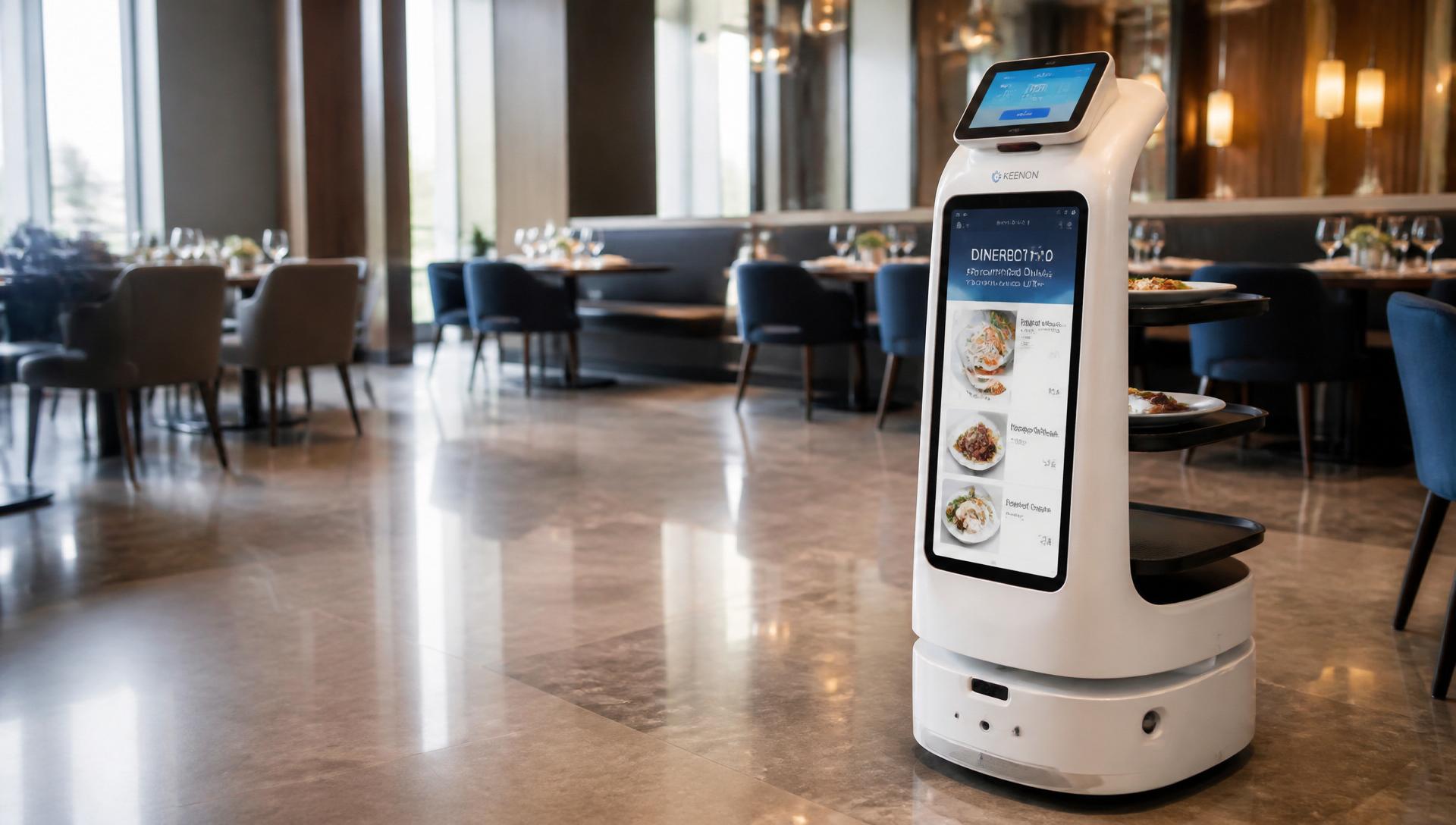
One of the most common concerns we hear when discussing commercial robots isn't from management teams. It's from staff. That's completely understandable.
When people first hear the words "robot" or "automation", it's natural to wonder whether jobs are at risk. The reality, however, is very different from the perception.
In almost every successful deployment we've seen, robots are not replacing people. They are helping businesses address the jobs that are difficult to fill, repetitive to perform, physically demanding, or simply take staff away from higher-value activities.
In fact, the most successful robotics projects are those where staff and robots work together.
The reality: businesses still need great people
Customers still want human interaction. People welcome guests, solve problems, build relationships and provide empathy, judgement and customer service. Robots cannot replace those qualities — they handle the carrying, transporting and routine cleaning instead.
Whether it's a restaurant, hotel, visitor attraction, care environment, office building or commercial premises, customers still want human interaction.
People welcome guests. People solve problems. People build relationships. People provide empathy, judgement and customer service. Robots cannot replace those qualities.
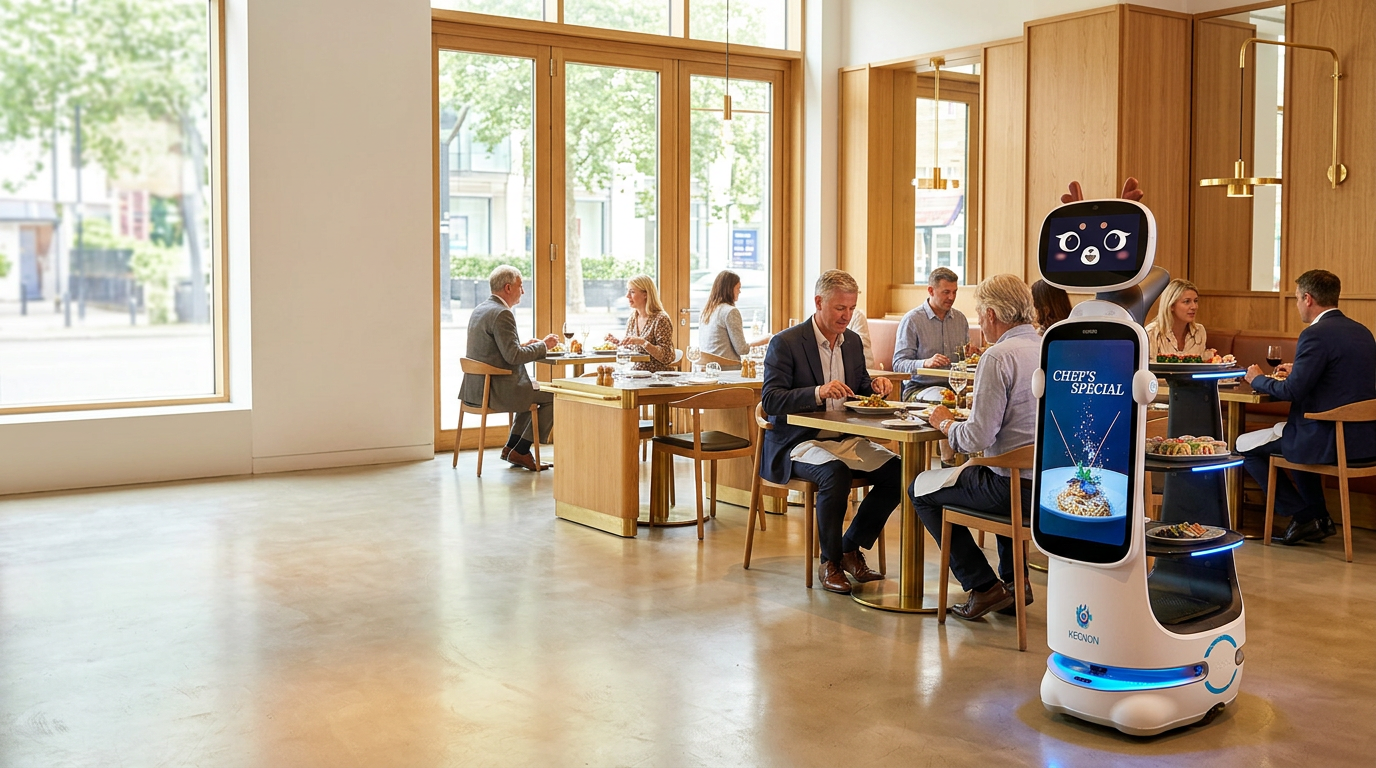
What robots can do is carry plates, transport supplies, deliver items, vacuum floors, scrub surfaces, or handle repetitive journeys that staff often find monotonous and time-consuming.
"The question is rarely "How can we replace people?" It's usually "How can we allow our people to spend more time doing the work that matters?""
The labour challenge facing many organisations
Many sectors continue to face recruitment and retention challenges. Managers frequently tell us they struggle with:
- Recruiting reliable staff
- Filling vacancies
- High staff turnover
- Increasing wage costs
- Covering holidays and sickness
- Allocating people to repetitive tasks
Robots can help relieve some of these pressures without removing the need for human teams.
A service robot doesn't call in sick. A cleaning robot doesn't mind repetitive floor cleaning. A delivery robot doesn't become tired after its hundredth journey of the day.
That allows staff to focus on customers, quality, sales, safety, compliance and other activities that genuinely require human involvement.
Real examples
Hospitality
Instead of a team member making dozens of trips carrying plates from kitchen to table service stations, a robot can handle transportation while staff focus on guests.
This often improves customer experience because staff spend more time interacting with customers and less time walking back and forth.
Cleaning
Rather than asking cleaning teams to spend hours undertaking repetitive floor cleaning, robots can handle routine cleaning programmes.
Staff can then concentrate on detailed cleaning, inspections, customer-facing areas and higher-value tasks.
Healthcare & care environments
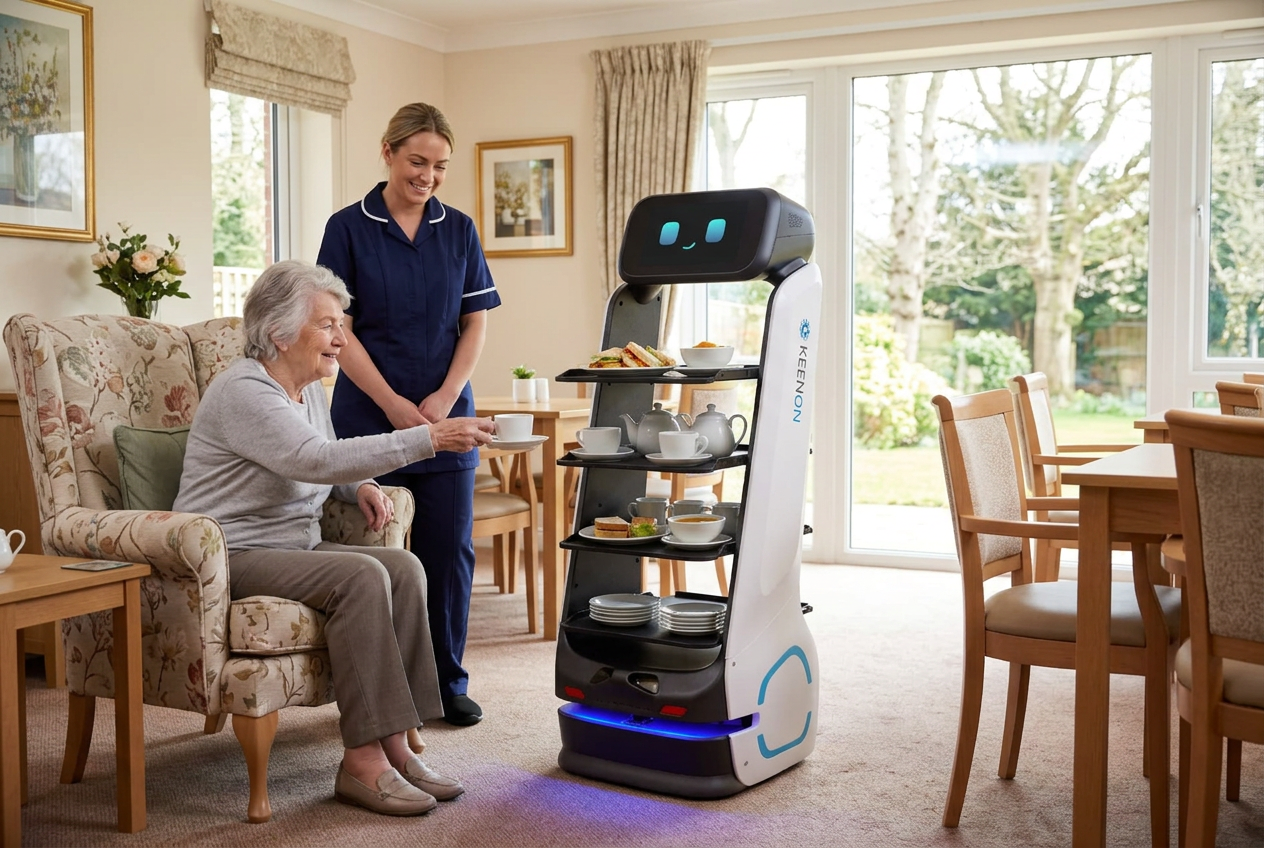
Care staff are often stretched for time. Robots can assist with routine transportation and delivery tasks, allowing care professionals to spend more time caring for people.
How should you introduce robots to your staff?
With honesty and transparency. Explain that the robot is a tool, that the aim is to remove repetitive tasks, that staff are part of the journey from day one, and that better working conditions matter.
1. The robot is a tool
Just like a vacuum cleaner, dishwasher, forklift or computer, a robot is a tool designed to help people work more effectively. It is not a replacement for the experience and expertise of staff.
2. The aim is to remove repetitive tasks
Nobody joins a hospitality business because they love making endless journeys between locations. Nobody becomes a cleaner because repetitive floor maintenance is their passion. Removing repetitive work allows staff to focus on more rewarding and valuable activities.
3. Staff are part of the journey
Successful deployments involve staff from day one. When staff see the robot operating, understand how it works and experience the benefits themselves, concerns typically reduce very quickly. Many sceptics become the robot's biggest advocates within a few weeks.
4. Better working conditions matter
Reducing fatigue, repetitive physical movement and low-value tasks can improve the working day for employees. Robotics should help create better jobs, not eliminate good people.
Practical considerations
Like any technology, robots do have operating requirements. For example:
- They operate indoors.
- They work best on level surfaces (typically up to 5% gradients).
- Areas need to be mapped, meaning significant layout changes may require remapping.
In most commercial environments these requirements are straightforward to manage, but it is important to understand them during planning — which is what a site survey is for.
The future is human + robot
The organisations seeing the greatest success are not choosing between people and robots. They are combining the strengths of both.
| People bring | Robots bring |
|---|---|
| Creativity | Consistency |
| Judgement | Reliability |
| Empathy | Endurance |
| Flexibility and customer service | Automation of repetitive tasks |
Together, they create more productive and often more enjoyable workplaces.
Final thoughts
At Fresh Mango Robotics, we've seen first-hand that the biggest barrier to robotic adoption is often not the technology itself. It's uncertainty.
Once staff understand that robots are there to support them rather than replace them, attitudes typically change very quickly. The conversation shifts from "Will the robot take my job?" to "Can the robot take this task off my hands?" And that's where the real value begins.
Fresh Mango Robotics believes the future workplace is not people versus robots. It's people and robots, working together to deliver better outcomes for customers, employees and organisations alike.
Last reviewed:
Frequently asked questions
Do commercial robots replace staff?
No. In successful deployments robots take on repetitive tasks such as carrying plates, moving supplies and routine floor cleaning, while people stay responsible for guests, care, judgement, safety and customer service.
Which jobs are robots best at in hospitality, cleaning and care?
Repetitive journeys and routine work: food running between kitchen and tables, scheduled floor vacuuming and scrubbing, and transporting meals, linen and supplies along mapped indoor routes.
How do I introduce a robot to my team without worrying them?
Be open from the start. Explain that the robot is a tool to remove repetitive tasks, involve staff before and during installation, and let them see it working. Concerns usually reduce quickly once people see the benefits.
What does a site need for a service robot to work?
Robots operate indoors, work best on level floors (typically up to 5% gradients) and need the area mapped. Significant layout changes may need remapping. A site survey checks this before any recommendation.
Can staff try a robot before we commit?
Yes. Fresh Mango Robotics runs live on-site demonstrations so your team can see the robot working in your own environment before you decide.
Talk to a robot supplier you can actually visit
We are based in Ripon, North Yorkshire, with engineers across the North of England. On-site demos as standard.
Related articles
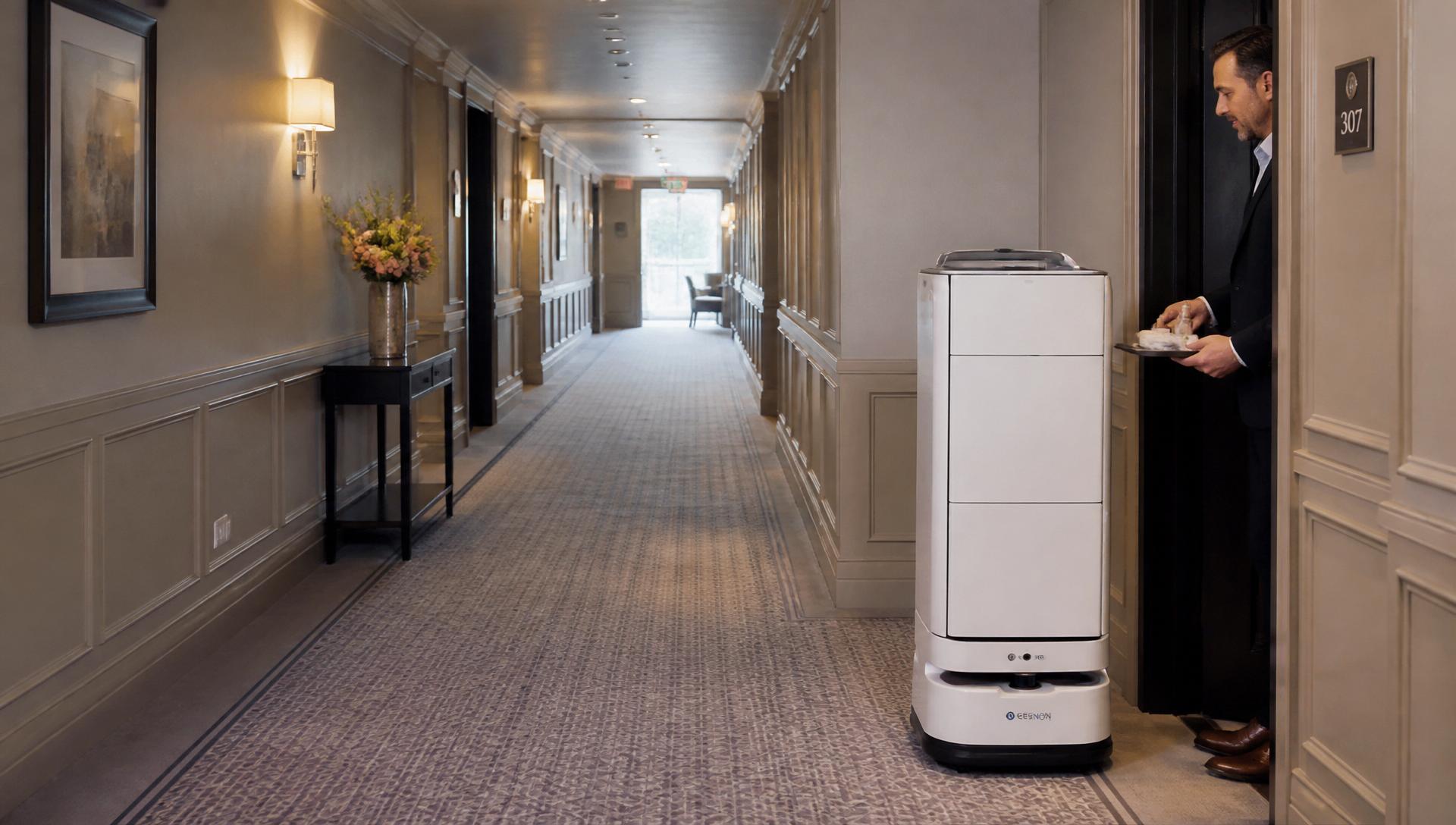
Why Hospitality Robots Will Change the Way You Manage Your Hotel Staff
A practical look at how service robots like the Keenon W3 and Dinerbot T10 help UK hotel managers reallocate staff, reduce burnout, and achieve ROI within 12 to 18 months.
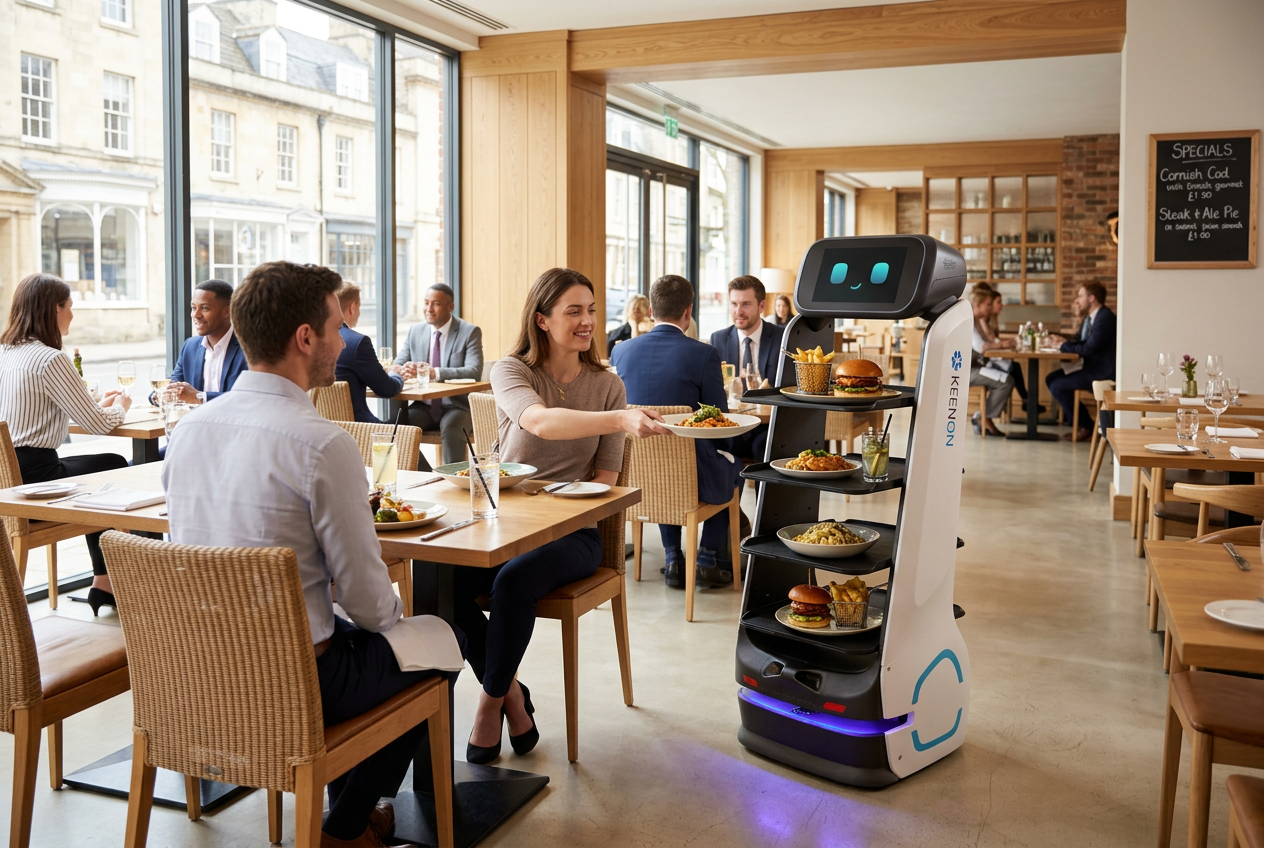
Robotic Food Runner vs. Traditional Waiter: Which Is Better For Your Restaurant?
A head-to-head comparison of robotic food runners and traditional waiters — the honest ROI, the impact on staff morale, and the efficiency numbers that actually matter.
What Happens in a Robot Site Survey? A Fresh Mango Engineer Walks You Through It
A Fresh Mango Robotics engineer explains how a real site is assessed for routes, floors, lifts, utilities, safety, installation and staff training.
Keep reading