
How to Choose the Best Autonomous Floor Scrubber for Your Facility
Choosing an autonomous floor cleaner starts with the work your floors actually need. This guide compares the Keenon KLEENBOT C30, which sweeps, vacuums and dust-mops, with the C40, which adds wet scrubbing and drying — and explains what to check before deployment.
Quick answer
Match the cleaning method to the floor and the soil. Dry sweeping, vacuuming and dust-mopping suit dust, crumbs and loose debris, including carpeted and moisture-sensitive areas. Wet scrubbing is only for compatible hard floors with stuck-on dirt. The Keenon KLEENBOT C30 covers dry cleaning; the C40 adds wet scrubbing and drying. Survey the site, test the robot on your own floors, then compare purchase, hybrid ownership and RaaS.
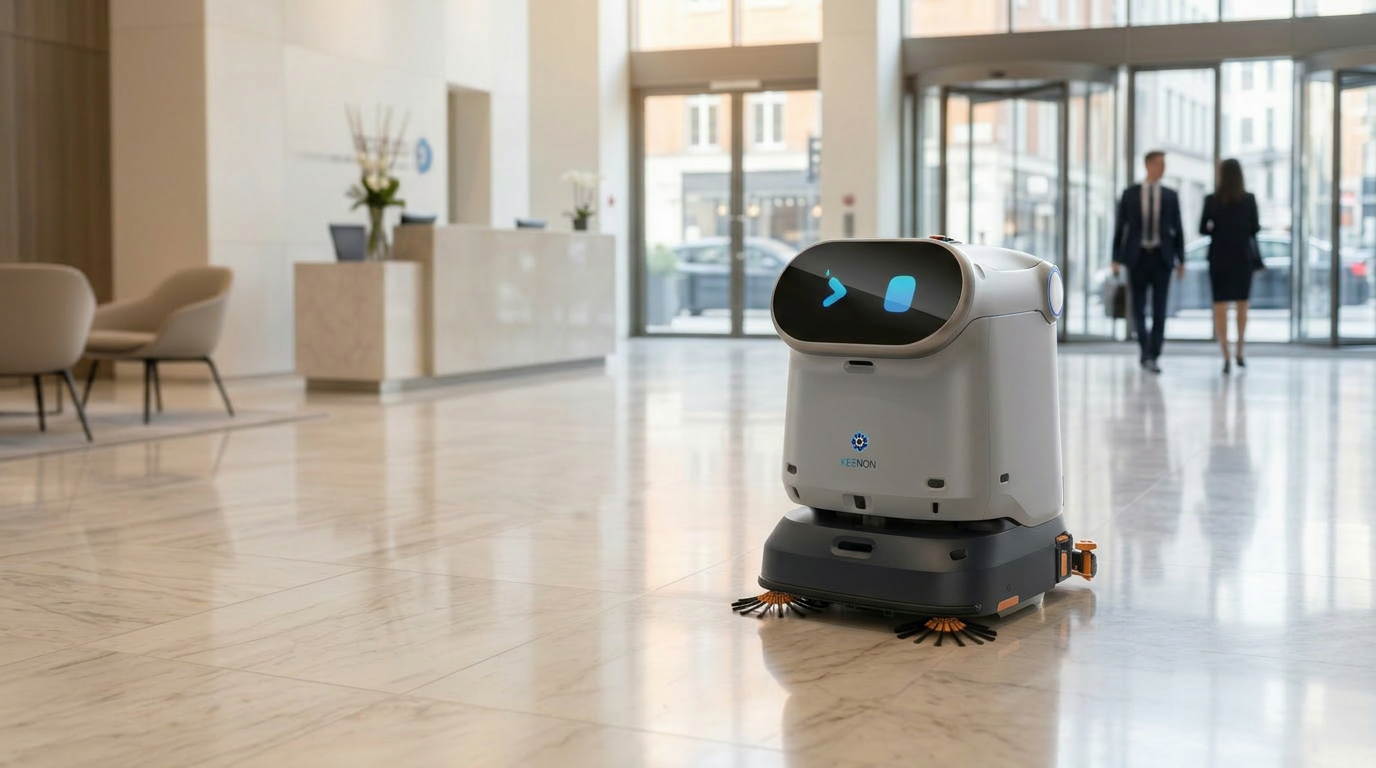
Choosing an autonomous floor cleaner starts with the work your floors actually need. A site dealing mainly with dust, crumbs and loose debris may be better served by dry sweeping and vacuuming. Floors with sticky residues, tracked-in dirt or a build-up of grime may need wet scrubbing as well.
The right choice depends on your floor types, soil levels, cleaning schedule and available operating window. This guide compares the Keenon KLEENBOT C30, which sweeps, vacuums and dust-mops, with the C40, which adds wet scrubbing and drying. It also explains what to check before deployment and how to choose a commercial arrangement that fits your organisation.
Understanding the problem: what does your floor need?
An autonomous floor scrubber is a commercial cleaning robot that follows mapped routes to clean designated floor areas. Staff set up and supervise the operation, while the robot carries out repeatable floor-cleaning tasks. It supports the cleaning team; it does not replace the people who handle detail work, spot cleaning, washrooms and quality checks.
Before comparing models, look at the work by zone. Record:
- Floor surface: carpet, tile, vinyl, sealed concrete or another material.
- Soil: loose dust and grit, or wet, greasy, sticky and embedded dirt.
- Traffic: when people, stock or vehicles use the area.
- Cleaning window: how long the floor can be cleaned without disrupting operations.
- Site layout: route widths, thresholds, furniture, obstacles and charging locations.
One site may have several different needs. A hotel, for example, might have carpeted corridors that benefit from dry cleaning and hard-floored entrance areas that need periodic scrubbing. It can be more practical to assign cleaning modes by zone than to expect one method to solve every problem.
Dry sweeping versus wet scrubbing
| Cleaning approach | What it does | Often suitable for | Key limitation |
|---|---|---|---|
| Dry: sweep, vacuum and dust-mop | Collects dust, grit and loose debris without adding water | Carpet and floors where routine dry cleaning is appropriate | Does not wash away greasy film, sticky residue or dried spills |
| Wet: sweep, vacuum, scrub and dry | Loosens and removes soil with water and suitable cleaning solution, then collects the liquid | Compatible hard floors that need more than loose debris removal | Requires floor approval, safe route planning and time to leave the surface dry |
A useful starting rule is: dry soil usually calls for dry cleaning; stubborn or adhered soil on a water-compatible hard floor may call for wet scrubbing. Where there is heavy grit as well as stuck-on dirt, removing loose debris before scrubbing can help avoid pushing it around.
The floor's manufacturer guidance matters. Don't wet-scrub carpet, water-sensitive surfaces or flooring that has not been approved for the method. If you're unsure, test the proposed cleaning method in an inconspicuous area and confirm compatibility with the flooring supplier and robot provider.
When a dry-cleaning robot may be the better fit
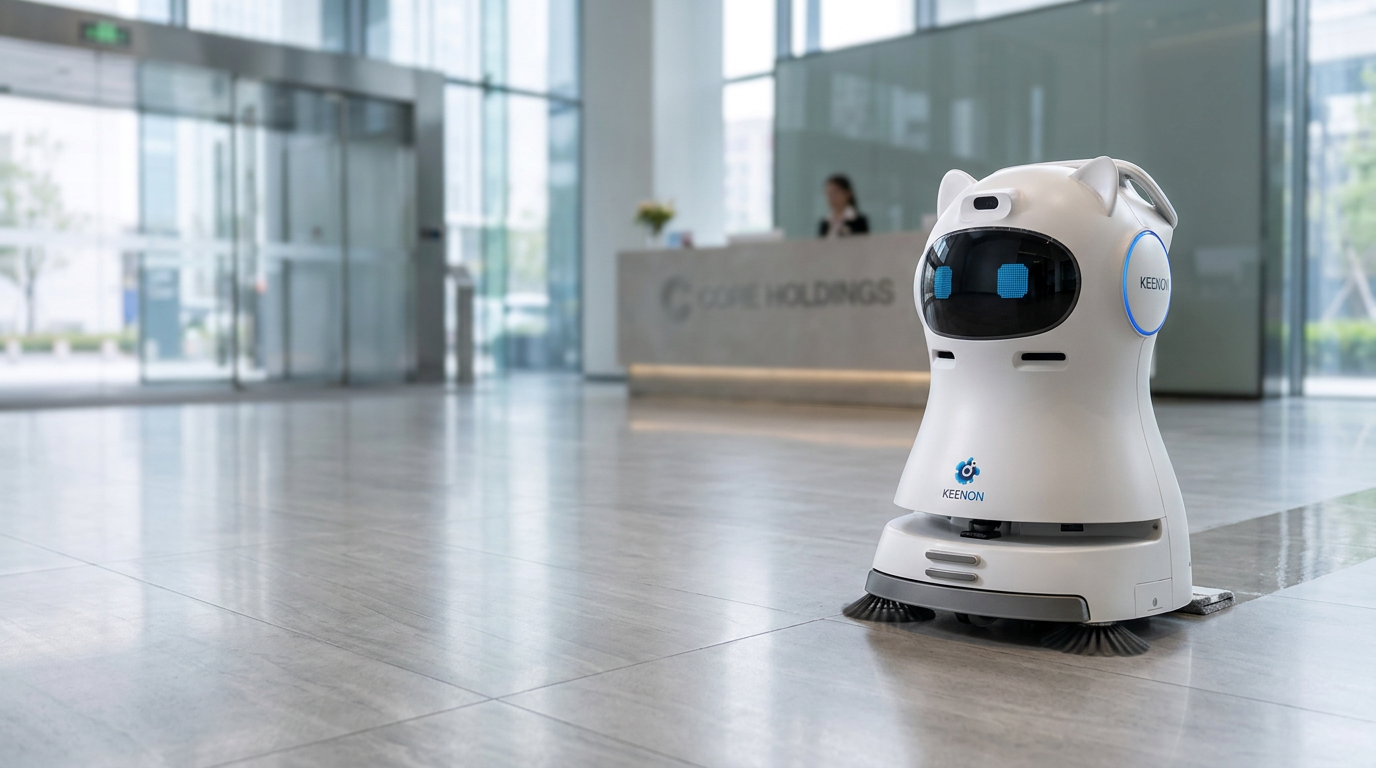
The Keenon KLEENBOT C30 sweeps, vacuums and dust-mops. It's worth considering where the routine task is collecting dry debris, or where introducing water is unsuitable. That can include carpeted areas and suitable hard-floor zones, subject to site and manufacturer guidance.
When wet scrubbing may be needed
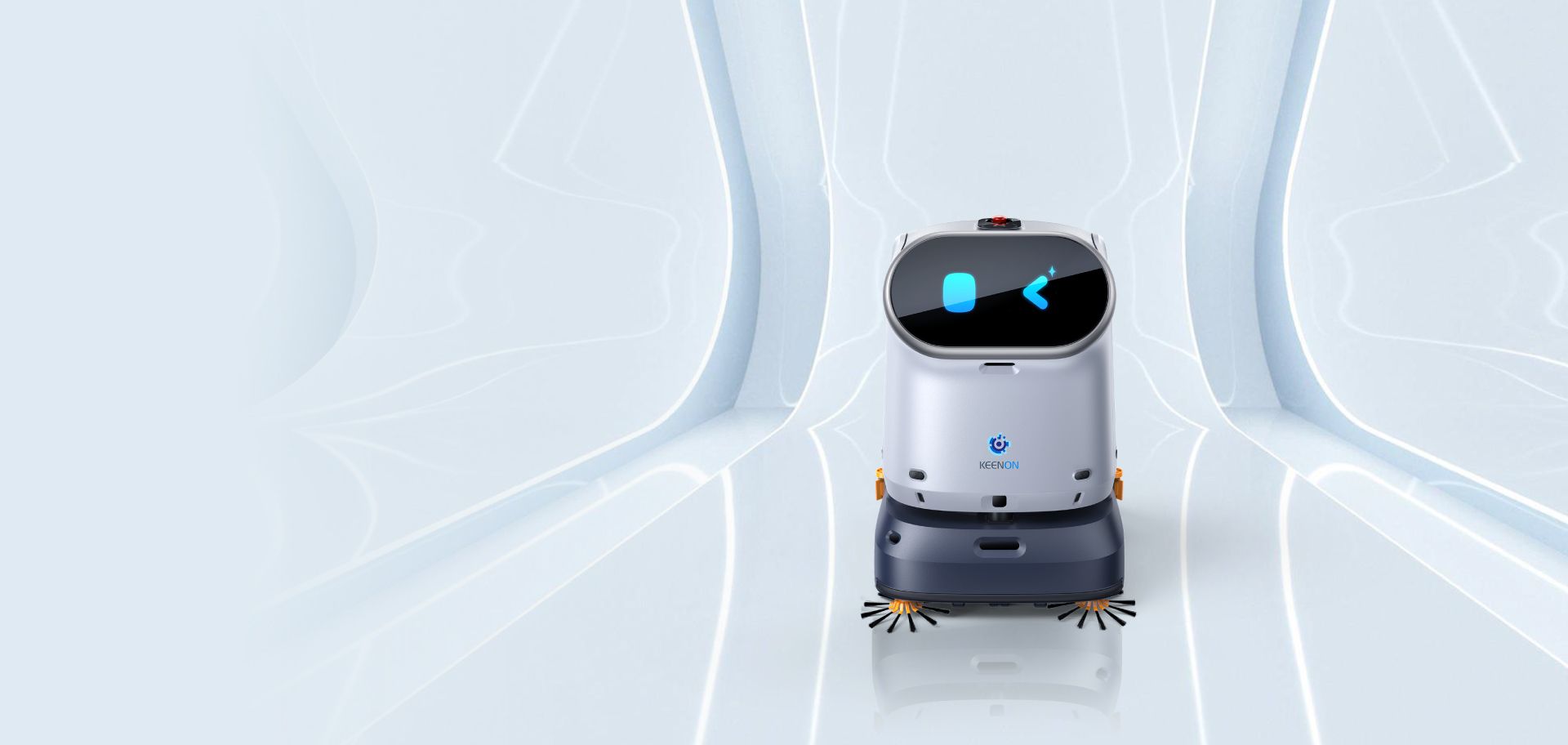
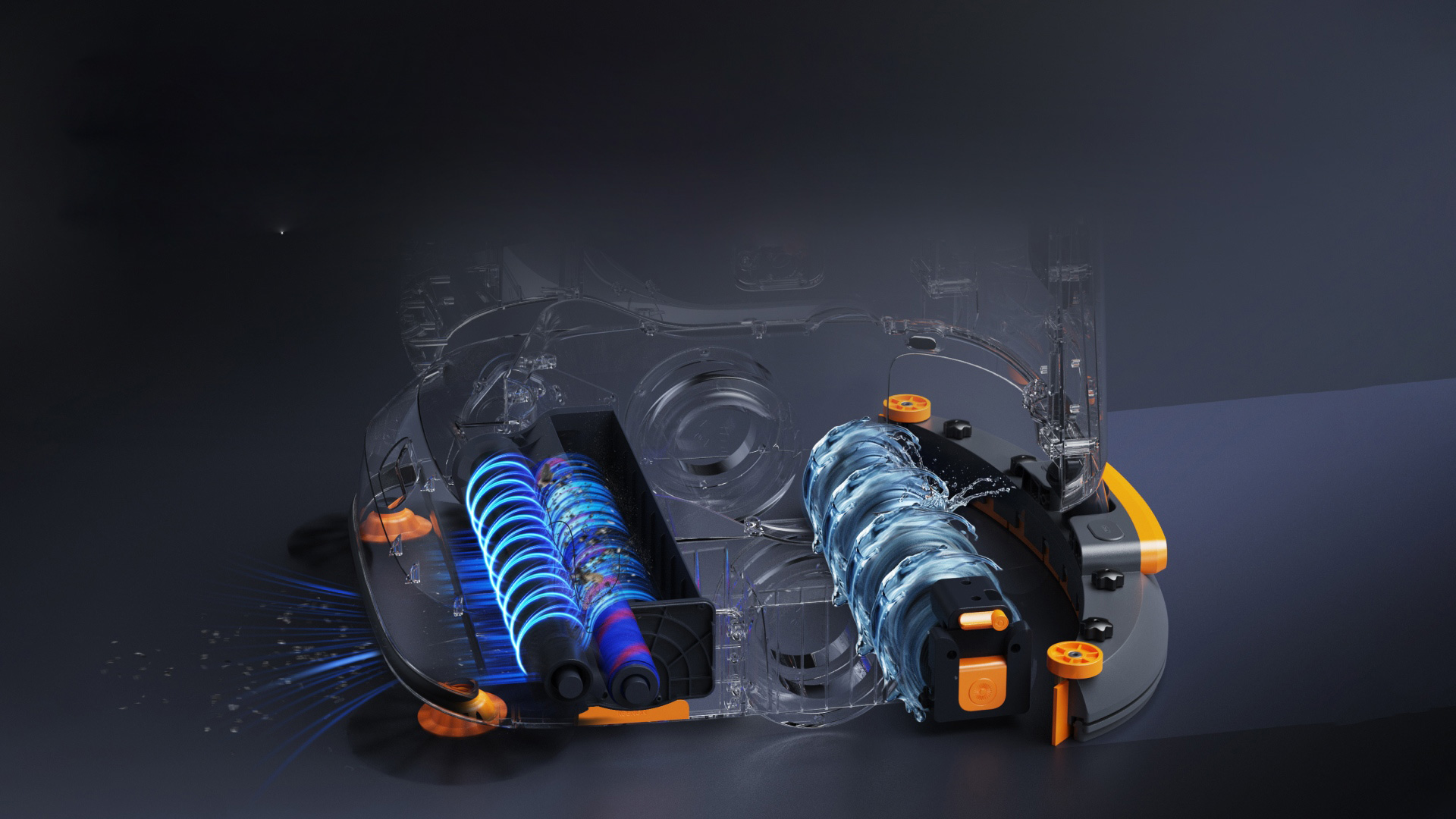
The Keenon KLEENBOT C40 combines sweeping and vacuuming with scrubbing and drying. Consider it when compatible hard floors need routine removal of more than loose dust, for example, tracked-in soil or residue that dry cleaning alone does not address.
How commercial cleaning robots help
A cleaning robot is mapped to agreed routes and scheduled to run at suitable times. Staff prepare the area, start or supervise the task, and respond to exceptions. The robot handles repeatable floor coverage; people remain responsible for edges, stairs, spillages and areas that need judgement or manual attention.
For facilities teams, this can help make routine cleaning more consistent and reduce the physical effort of repeatedly pushing cleaning equipment. It can also free staff to focus on detail cleaning and checks. The actual benefit depends on the site: a clear, open route is different from a busy, cluttered space.
Deployment options: purchase, hybrid or RaaS
Fresh Mango Robotics offers three ways to deploy a cleaning robot. The best fit depends on your capital budget, support needs and preference for owning the equipment.
| Option | How it works | May suit organisations that… |
|---|---|---|
| Outright purchase | Buy and own the robot. Support and maintenance can be arranged separately. | Have capital budget and want to own the equipment. |
| Hybrid ownership | Combine an upfront purchase with an agreed ongoing support and maintenance plan. You own the hardware. | Want ownership but also want ongoing service support. |
| Robotics-as-a-Service (RaaS) | Use a robot through a monthly service agreement, with installation, training, maintenance and support included as set out in the agreement. | Prefer to avoid the upfront capital outlay and plan around predictable monthly costs. |
RaaS can provide access to a robot without an upfront hardware capital outlay. Maintenance and support are included under the service agreement, so check exactly what the agreement covers, including response arrangements and any exclusions. Consumables and other operating requirements should also be clarified in the written proposal.
Real-world applications
- Retail: Schedule dry cleaning for carpeted or suitable dry-cleaning zones; use wet scrubbing only on approved hard floors where soil calls for it.
- Hotels and venues: Clean lobbies or function areas in quieter periods, while staff continue to handle spills, edges and guest-facing detail.
- Healthcare and care settings: Consider repeatable corridor or communal-area routes where the floor and cleaning process are suitable. Confirm local hygiene protocols and site rules before introducing a robot.
- Warehouses: Use dry cleaning for loose dust and debris, and assess wet scrubbing for compatible hard floors with stubborn residue. Keep routes clear of vehicle movements and operational pinch points.
These examples are starting points, not a promise that a robot will suit every area. Our commercial cleaning robots page explains how a site survey, mapping, installation, staff training and ongoing support fit into deployment.
Considerations before deployment
- Check floor compatibility. Confirm the permitted cleaning method for every surface, especially if floors are coated, porous or moisture-sensitive.
- Match the method to the soil. Dry cleaning collects loose debris; it will not replace scrubbing where dirt is adhered to the floor.
- Plan routes around people and equipment. Look at doors, narrow sections, temporary obstacles, storage and vehicle traffic. Decide where the robot should not travel.
- Choose a realistic operating window. Wet cleaning may be easier to manage in quieter periods. Set access controls and allow the floor to dry before people return.
- Agree the staff routine. Identify who starts the robot, handles alerts, checks results and performs any required cleaning and maintenance.
- Run a site demonstration. Test the proposed route and cleaning mode on your own floors. Check coverage, missed areas, drying, interventions and whether the process fits the shift.
Conclusion
Choose an autonomous floor scrubber by matching its cleaning method to your floor types, soil levels and operating windows. The C30 is designed for dry sweeping, vacuuming and dust-mopping; the C40 adds wet scrubbing and drying for compatible floors that need it.
Survey the site, confirm floor suitability, plan safe routes and test the robot in operation before deciding. Then compare outright purchase, hybrid ownership and RaaS. With RaaS, organisations can avoid upfront hardware capital outlay while receiving maintenance and support under the agreed service arrangement. In every model, the goal is to support your cleaning team, not replace it.
Last reviewed:
Frequently asked questions
What is the difference between an autonomous floor scrubber and a dry-cleaning robot?
A dry-cleaning robot sweeps, vacuums and dust-mops to collect loose debris without adding water. A wet floor scrubber applies water and cleaning solution to loosen soil, then collects the liquid. The suitable option depends on the floor surface and the kind of dirt present.
Is the KLEENBOT C30 a wet scrubber?
No. The C30 is a dry-cleaning model: it sweeps, vacuums and dust-mops. Consider it where dry floor care is suitable, including certain carpeted or moisture-sensitive areas, subject to floor and manufacturer guidance.
Does the KLEENBOT C40 scrub and dry floors?
The C40 offers wet and dry cleaning modes, including sweeping, vacuuming, scrubbing and drying. Wet cleaning should only be used on compatible surfaces, with access managed until the floor is safe to use.
Can a commercial cleaning robot work while our site is open?
It may be possible, depending on the layout, traffic and site risk assessment. Many operators schedule cleaning in quieter periods to reduce interruptions and make routes easier to manage.
Will a cleaning robot replace our cleaning staff?
No. It takes on repetitive floor coverage and supports staff. People remain responsible for detail cleaning, spot cleaning, washrooms, checks and tasks requiring judgement.
What does RaaS include?
Robotics-as-a-Service is a monthly service arrangement. The specific agreement can include the robot, installation, training, maintenance and support. Confirm the included services, term, exclusions and any consumables in the written proposal.
Talk to a robot supplier you can actually visit
We are based in Ripon, North Yorkshire, with engineers across the North of England. On-site demos as standard.
Related articles

Looking For an Autonomous Floor Scrubber? Here Are 10 Things You Should Know
A practical UK buyer's guide to autonomous floor scrubbers — ten honest things to know about ROI, floor types, runtime, water, noise, safety and support before you commit.

The Best Commercial Cleaning Robots for Hotels
A practical 2026 UK guide to picking the right hotel floor cleaning robot — C30 vs C40 by floor area, overnight cycle time, noise, and the housekeeping hours you get back.
Cleaning Robots vs Contract Cleaners
A straight comparison between commercial cleaning robots and contract cleaning teams — cost, coverage, consistency and the hybrid model most facilities settle on.
Keep reading