
Cleaning Robots vs Contract Cleaners
A straight comparison between commercial cleaning robots and contract cleaning teams — cost, coverage, consistency and the hybrid model most facilities settle on.
Quick answer
On a large UK hard-floor site running seven nights a week, a KLEENBOT C30 rental can provide a predictable alternative to labour-intensive floor cleaning. Robots offer consistency and an audit trail; human teams remain essential for detail work and incident response. Most operators use both.
If you run a hotel, supermarket, transport hub or facility with a serious overnight hard-floor footprint, you have two options for getting the floor clean: a contract cleaning team or an autonomous cleaning robot. Most operators end up running both. Here is when each one wins.
Cost per night
For a typical large hard-floor site running seven nights a week, compare the full contract-cleaning cost with a KLEENBOT C30 rental that includes consumables, electricity assumptions and support. The right comparison uses your actual floor area, schedule and labour model.
Where the robot wins
- Repetitive hard-floor cleaning — the same route, the same standard, every night
- Out-of-hours operation without a present-on-site supervisor
- Documented cleaning logs (every run is timestamped and reportable)
- No sickness, no turnover, no recruitment cost
- Quiet enough for occupied hotels and care homes
Where the human team wins
- Detail cleaning — skirting, glass, sanitary fittings, dusting
- Spills and incidents during trading hours
- Soft furnishings and textile floors
- Front-of-house presentation outside of cleaning runs
The hybrid model most operators land on
Robot handles the hard floor on a 2–4 hour overnight run. The human team is retasked from mopping to detail work, presentation and incident response. Total spend usually drops 25–40% in the first year, with a measurable lift in cleaning standards.
Cleaning robot vs contract cleaner — side by side
| Factor | KLEENBOT C30 (rental) | Contract cleaning (hard floor only) |
|---|---|---|
| Commercial model | Rental with consumables and support available | Labour contract based on scope and hours |
| Consistency | Same route, same standard, every run | Variable — depends on operative and shift |
| Audit trail | Every cycle timestamped & logged | Manual sign-off, often retrospective |
| Sickness / cover | None — robot does not call in sick | Cover required, often at premium rate |
| Recruitment cost | None | Ongoing — high churn in night cleaning |
| Suitability | Repetitive hard-floor cleaning | Detail work, spills, soft furnishings, glass |
Operational considerations beyond the cost line
The headline cost comparison only stands up if the operating model is right. UK operators running a KLEENBOT C30 or C40 should plan for three operational details. First, a defined overnight cleaning window — typically 11pm to 6am — with the robot routed away from any zones still in use. Second, a charging and water strategy: the C30 manually tops up midway through a large area; the C40 auto-refills at a plumbed dock and is the better fit for fully unattended overnight cycles. Third, a brief daily check by the in-house team — empty the recovery tank, wipe the sensors, confirm the dock connection — typically ten minutes a day. Every cycle is timestamped and exportable for facilities reporting and contract audit.
Frequently asked questions
Are cleaning robots cheaper than contract cleaners in the UK?
For repetitive hard-floor cleaning on larger sites, it can be. Compare a KLEENBOT C30 rental with the full cost of contract cleaning for the same floor area and schedule; we model this using your actual operation.
Can a cleaning robot run overnight without supervision?
Yes. The KLEENBOT C30 and C40 are designed to run unattended on a pre-mapped overnight route. They scrub, sweep, vacuum and dry, navigate around obstacles, and return to the dock for charging — and, on the C40, auto-refill.
Will a cleaning robot replace the in-house cleaning team?
Most operators do not replace the team — they redeploy it. The robot takes the repetitive mopping work; the human team focuses on detail cleaning, spills, soft furnishings, glass and front-of-house presentation, which lifts measured cleaning standards.
What floor types do commercial cleaning robots handle?
Hard floors of all common UK commercial types — vinyl, sealed concrete, tile, polished stone, sealed timber, rubber. They are not built for textile floors, carpet or rugs, which stay with the human cleaning team.
Do cleaning robots produce cleaning logs?
Yes. Every cycle is timestamped and recorded, with route coverage and water/detergent usage available for facilities reporting. This is one of the reasons contract-managed sites move to robots — the audit trail is automatic.
Is a cleaning robot suitable for a 24/7 operation?
Yes — they are routinely deployed in transport hubs, hospitals, large hotels and 24/7 supermarkets. Routes are mapped to avoid peak-flow zones, and the robot pauses or reroutes when people enter its safety envelope.
Talk to a robot supplier you can actually visit
We are based in Ripon, North Yorkshire, with engineers across the North of England. On-site demos as standard.
Related articles
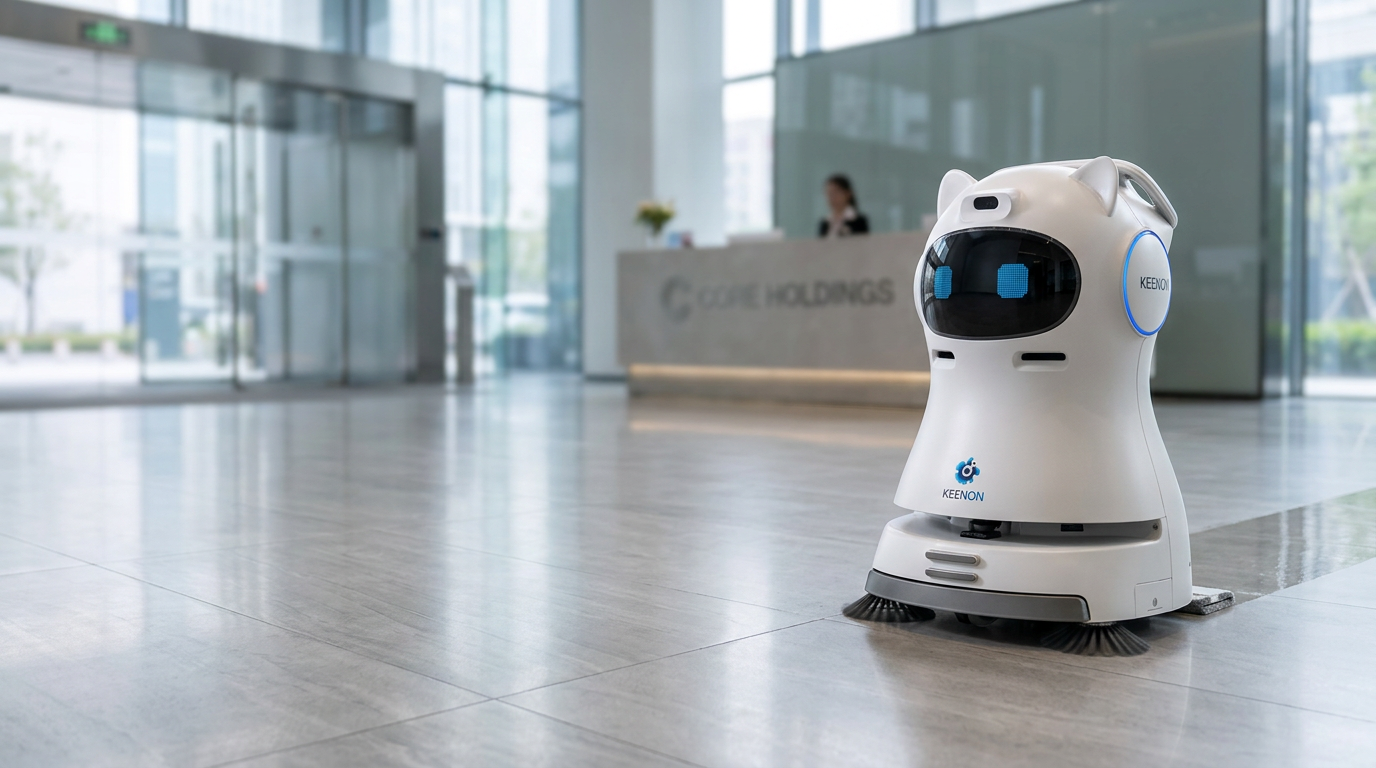
The Best Commercial Cleaning Robots for Hotels
A practical 2026 UK guide to picking the right hotel floor cleaning robot — C30 vs C40 by floor area, overnight cycle time, noise, and the housekeeping hours you get back.
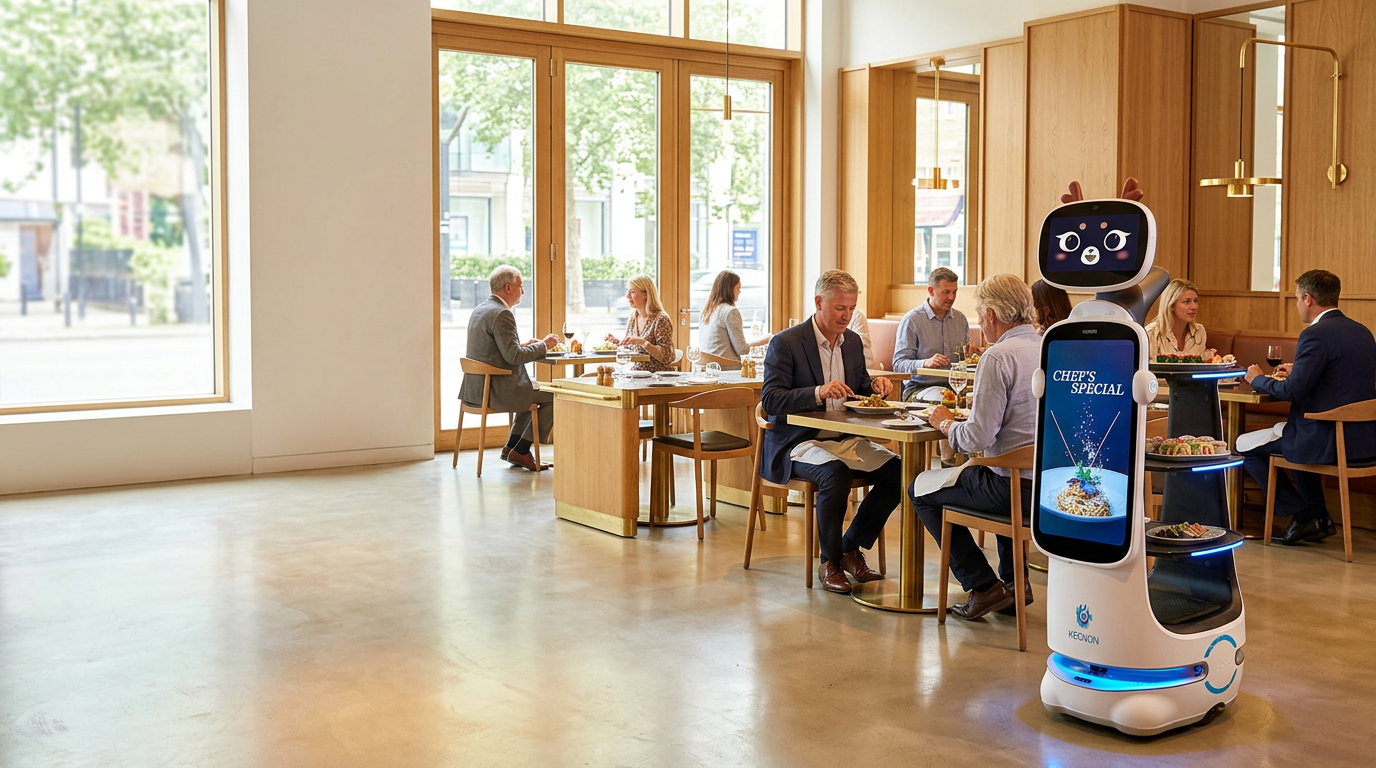
How Much Does a Commercial Service Robot Cost in the UK?
Category pricing bands, monthly rental and total cost of ownership for commercial service, cleaning and logistics robots in the UK.
Are Restaurant Robots Worth It? A 2026 ROI Guide
A practical 2026 walk-through of where restaurant robots earn their keep, the venues they suit, and where the payback actually comes from.
Keep reading