
What industries use cleaning robots?
Direct answer
Key facts
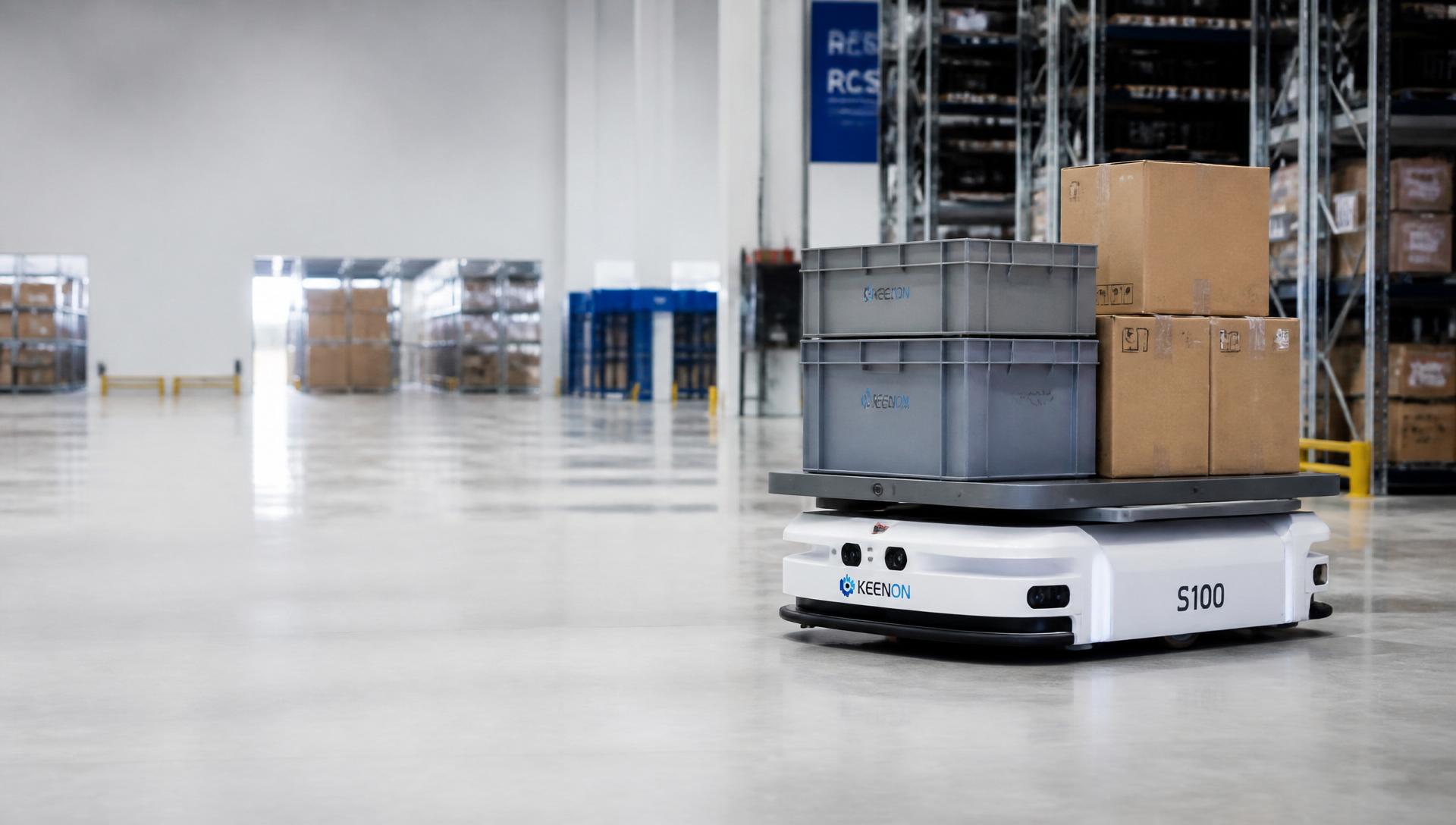
- Warehousing and distribution — largest areas, fastest payback.
- Hotels — public-area presentation inside a short overnight window.
- Care homes — evidenced cleaning for infection control and CQC.
- Schools and colleges — sports halls and dining halls after hours.
- Retail and shopping centres — presentation through trading hours.
- Restaurants — after-close dining floor scrubbing.
- Gyms and leisure — changing areas and concourse between peaks.
- Garden centres — continuous soil and water tracked in from outside.
Why these sectors and not others
Adoption follows floor area and cleaning frequency, not industry glamour. A 6,000 m² distribution centre cleaned nightly has an obvious case; a 300 m² carpeted office suite cleaned three times a week does not.
The second factor is labour difficulty. Sectors that rely on night, early-morning or split-shift cleaning — hotels, care, leisure, education — adopt fastest because those are the shifts hardest to recruit for and most expensive to cover with agency staff.
Sectors where robotics is usually the wrong answer
Small carpeted offices, sites with heavily cluttered floors that change hourly, multi-level buildings with no lift access, and operations where cleaning already amounts to a few hours a week. In those conditions the displaced labour cannot pay for the machine.
Related questions
What industries use commercial cleaning robots?
Warehousing and logistics, hotels, care homes, schools and colleges, retail and shopping centres, restaurants, gyms and leisure centres, garden centres and facilities management providers are the main UK adopters. The common factor is a large hard-floor area cleaned on a regular schedule.
Which industry gets the fastest ROI from cleaning robots?
Warehousing and distribution, because floor areas are very large, cleaning is nightly, and the displaced labour is measured in hours per night rather than minutes. Payback inside 12 to 18 months is common.
Are cleaning robots used in healthcare settings?
Yes — care homes in particular, where evidenced, repeatable corridor and dining-room cleaning supports infection control and CQC inspection while keeping care staff with residents.
Do small businesses use cleaning robots?
Single-site restaurants, boutique gyms and small retail units do, using compact machines, where cleaning frequency is high. Below roughly 500 m² of hard floor the case needs to be tested carefully.
Keep reading
Other answers
Want this answered for your site specifically?
We survey the building, measure the addressable area and give you the numbers for your operation — not an average.
No hard sell. No minimum commitment. Real engineers, UK-based support.